
China CNC Machining Factory Sourcing: What to Verify Before You Pay
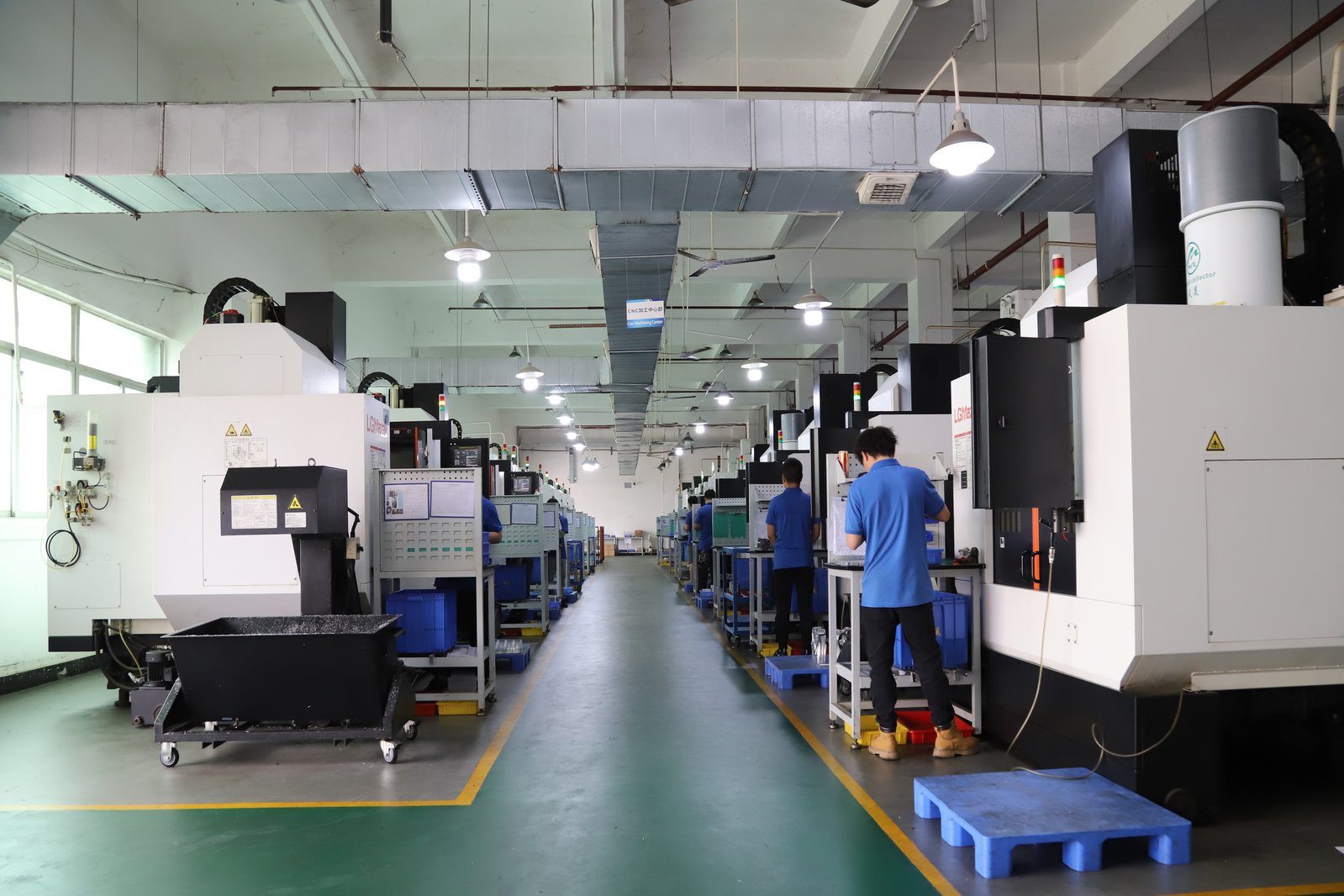
Every China machining order comes down to one uncomfortable fact: you pay before you see the parts. The deposit leaves your bank, the balance follows the inspection report, and the parts travel across an ocean, so the entire transaction runs on verification, not trust. The good news is that the verification is knowable in advance. A capable factory publishes the facts you need to check: a named legal entity, a physical address, real certificates with numbers, and a DFM review that reads your drawing before it prices it. This guide walks a buyer through what to verify at each stage of a China machining factory order — before the RFQ, before the deposit, during production, and before the balance — so the money you send is gated by evidence rather than by hope.
Why does the verification start before the RFQ, not before the payment?
Most buyers think the risk lives in the money transfer, and it does, but the money transfer is the last place risk appears. By the time you are sending a deposit, the real decisions are already made: whether the factory is the entity it claims to be, whether it can actually make your part, and whether its documentation habits match the ones your order will need. Those facts are checkable before a single dollar moves, which is why the sourcing discipline starts with the RFQ, not with the wire.
The first check is the entity. A machining factory in China should be nameable: a legal company, a registration, a physical address in a specific town, and a facility you can point to on a map. A quote that comes from a brand with no legal entity behind it is a quote from a trading desk wearing a factory's website, and a trading desk adds a layer between you and the floor that no payment term can remove. The second check is the facility: a real factory publishes its machine counts, its envelope limits, and its inspection bench, and it invites the questions that let you confirm those claims. The factory page on this site names the machines, the counts, and the limits for exactly this reason. Verification that starts here is cheap; verification that starts at the wire is expensive.
What does a DFM review add to the sourcing decision before you commit?
On a factory that runs design-for-manufacturability as its core, the DFM review is the first verification gate, and it happens before any money changes hands. When you send a drawing, the factory reviews it for manufacturability and returns the flags: which features will be expensive, which tolerances are tight for no function, which wall or radius fights the process — the DFM discipline the main guide explains as the factory's core. That review is evidence about the factory as much as about your part. A factory that reads the drawing and names the cost drivers is showing you it understands the process chain; one that prices the drawing as-is is telling you it has not looked closely at what it is quoting.
The sourcing value of the DFM review is that it converts a vague quote into a verifiable one. A quote built on the review names the process route, the material grade, the tolerance plan, and the finishing steps — each of which is a fact you can check later. A quote that is a price and a date, with no route and no reasoning, gives you nothing to verify against when the parts arrive. Ask for the DFM review with the quote, read the flags it raises, and treat the quality of that review as the first sample of the factory's engineering, because the same care that reads your drawing will be the care that runs your order.
Which certificate and registration facts should you verify before the deposit?
Certificates are the cheapest due diligence a sourcing buyer can run, because they show a factory already operates under documented, third-party-surveilled systems. Three certificates are the working standard for a precision machining factory: ISO 9001:2015 for quality management, IATF 16949:2016 for automotive-grade manufacturing, and ISO 14001:2015 for environmental management. Each should carry a number and a scope line, and both deserve checking — the number confirms the certificate exists, and the scope tells you what it actually covers. IATF 16949 excludes product design under Clause 8.3, which is honest for a build-to-print factory; a certificate whose scope claims design responsibility a machining floor does not own is a worse signal than one that understates.
Read the scope as carefully as the number, and verify the registration facts alongside it. A factory that publishes its legal entity, its address, and its certificate numbers on the site — rather than producing them only when asked — is treating those facts as part of its public record. One that hesitates to share them is telling you where the documentation culture ends. The deposit question then answers itself: if the entity, the address, and the certificates check out and the scope matches the work you are buying, the remaining risk is the parts themselves, which is what the production-stage verification is for.
What should the payment terms actually gate, stage by stage?
The payment structure is where verification becomes enforceable, and the sourcing rule is simple: each payment tranche should be gated by evidence that the preceding work happened. A typical structure runs three stages, though the exact terms belong on the quotation for each order. The first payment — the deposit that funds the material and the start of machining — should come only after the entity, the certificates, and the DFM review have all checked out. The second milestone, if the order is large enough to stage it, ties to a production-state confirmation: first-article approval, or an on-floor inspection showing the batch running. The final balance releases against the shipping evidence — the inspection report, the packing list, and the hand-off to the carrier.
The logic behind staging is that you never pay for the next step before the current one is proven. A factory that quotes the full amount up front, or that resists tying payment to documented milestones, is asking you to fund the whole process on trust. A factory that writes the payment and shipping terms into the quotation — deposit structure, balance trigger, and the Incoterm you work under — is building the transaction the same way it builds parts: on a documented plan rather than a handshake. Name your destination port and your Incoterm when you ask for the quote, and both should appear in the offer; if they do not, the offer is not yet the document you need.
How much can a pre-shipment inspection prove, and where does it stop?
A pre-shipment inspection is the strongest verification point in a China order, because it happens while the parts are still in the factory and still fixable. The inspection should check the three things that the payment is about to release: the material record against the mill certificate and the incoming verification, the measured values against the drawing's functional callouts, and the part count and packaging against the order. On a factory that runs inspection beside the machines, the first-article report and the batch records already exist before the inspection is even scheduled — the third-party check is confirming what the factory's own system produced.
An inspection has honest limits, and knowing them is part of the discipline. It proves the parts that were measured, in the batch that was inspected, at that moment — it does not prove the process will hold on the next order, and it cannot see a defect that the inspection points did not cover. That is why the inspection should target the functional features your drawing names, not a generic checklist, and why the factory's own first-article and SPC records matter as much as the inspector's readings. The delivered part is the final proof; the inspection is the last cheap place to catch a problem before the part crosses an ocean.
Where does risk transfer between the factory gate and your door?
The Incoterm you choose decides where the factory's responsibility ends and yours begins, and it is one of the most under-weighted decisions in a China machining order. Under the common terms, the risk transfer points differ sharply: at the factory gate, at the port of loading, on board the vessel, or at your destination. The term also decides who owns the freight cost, the insurance, and the customs clearance at each end. A buyer who does not name the Incoterm is leaving that allocation to the quote, and the quote will allocate it in the seller's favor by default.
The sourcing discipline is to name the Incoterm and the destination port in the RFQ, so the quotation prices the same scope you intend to buy, and to understand what the term does to your verification window. Under a term that transfers risk at the factory, your pre-shipment inspection is the last control you have before the factory's responsibility ends, so it should be thorough. Under a term that transfers risk at destination, the factory carries more of the journey, but the price reflects it. Either way, the verification plan and the Incoterm should be set together, because they define the two ends of the same hand-off: where the factory's proof ends and where your inspection begins.
Which red flags should stop a sourcing decision before the deposit?
Some findings should end the conversation regardless of how good the price looks. The first is an entity that cannot be named — a brand with no legal company, no address, and no registration behind it. The second is a certificate claim with no number, or a number whose scope does not match the work being bought. The third is a quote with no process behind it: no DFM review, no material grade, no tolerance plan, no route — just a price and a date that will move when the real work surfaces. The fourth is a payment demand for the full amount before any documentation or inspection point exists.
None of these red flags require machining expertise to spot — they are all failures of documentation, which is exactly why the sourcing screen works. A factory that publishes its entity, its certificates, and its limits, that returns a DFM review with the quote, and that ties payment to documented milestones is a factory whose documentation culture protects you after the parts ship. A factory that hides any of those things is telling you, in advance, how it will behave when a problem surfaces. On a China machining order, that advance signal is the cheapest insurance you will ever buy.
Frequently Asked Questions
What should I verify before sending a deposit to a China machining factory?
Verify the entity (legal name, address, registration), the certificates (numbers and scope lines that match the work), and the quote's process content — a DFM review, a material grade, a tolerance plan, and a route. Each is checkable before money moves, and each gates the risk that the deposit is about to fund.
What certificates should a China machining factory hold?
ISO 9001:2015 (certificate 116024/A/0001/UK/En), IATF 16949:2016 (131941/A/0001/SM/En), and ISO 14001:2015 (116024/B/0001/UK/En) are the working standard for precision machining. Check the number and the scope line — IATF 16949 excludes design under Clause 8.3, which is honest for a build-to-print factory.
How should payment be structured on a China machining order?
Stage it so each tranche is gated by evidence of the preceding work: a deposit after the entity and certificate checks pass, a milestone payment against first-article or production confirmation on larger orders, and the balance against the inspection report and shipping evidence. The exact terms should appear on the quotation.
What does a pre-shipment inspection actually prove?
It proves that the measured parts in the inspected batch match the drawing's functional callouts, that the material record ties to the mill certificate, and that the count and packaging match the order. It cannot see defects outside its inspection points — target the functional features your drawing names.
Which Incoterm should I use for China machining?
Name the Incoterm and destination port in the RFQ so the quote prices the same scope you intend to buy. The term decides where the factory's responsibility ends and where yours begins, and it should be set together with the inspection plan — they define the two ends of the same hand-off.
Is it safe to send a deposit to a China machining factory?
Yes, when the deposit is gated by verification. Confirm the entity and the certificates first, read the DFM review that came with the quote, and structure the payment so later tranches release against documented milestones. The risk lives in unverified trust, not in the wire itself.
Which quality systems back the sourcing claims at this factory?
The factory operates under ISO 9001:2015 (certificate 116024/A/0001/UK/En), IATF 16949:2016 (131941/A/0001/SM/En), and ISO 14001:2015 (116024/B/0001/UK/En), and verifies incoming material by XRF against the mill certificate before stock reaches the machines. The material record and the inspection report ship with the parts rather than staying in a brochure.
Want a China machining order structured so every payment is gated by evidence?
Send the drawing with your destination port and Incoterm to [email protected] or call +86 13126536955. You will get the DFM review, the certificate numbers, and a quotation that names the process route and the payment milestones — the sourcing documentation you would check anyway, in writing, before you commit.